Indian space startup Digantara just raised $50 million in a Series B round. But instead of chasing commercial space customers, it’s doubling down on defence and missile tracking.
That decision says a lot about where the real money in space lies today.
What Digantara started with
Founded in 2020, Digantara began with a clear mission:

SSA sounds futuristic. But it has a problem.
👉 Commercial demand is still tiny.
As founder Anirudh Sharma bluntly puts it:
“It’s quite difficult for any space company to survive only on commercial customers.”
Not a pivot. An evolution.
Digantara didn’t abandon SSA. It extended it.
The company had already built systems capable of tracking fast-moving objects in orbit. That led to a simple but powerful question:
If we can track satellites and debris… why not missiles?
And just like that, Digantara expanded into:
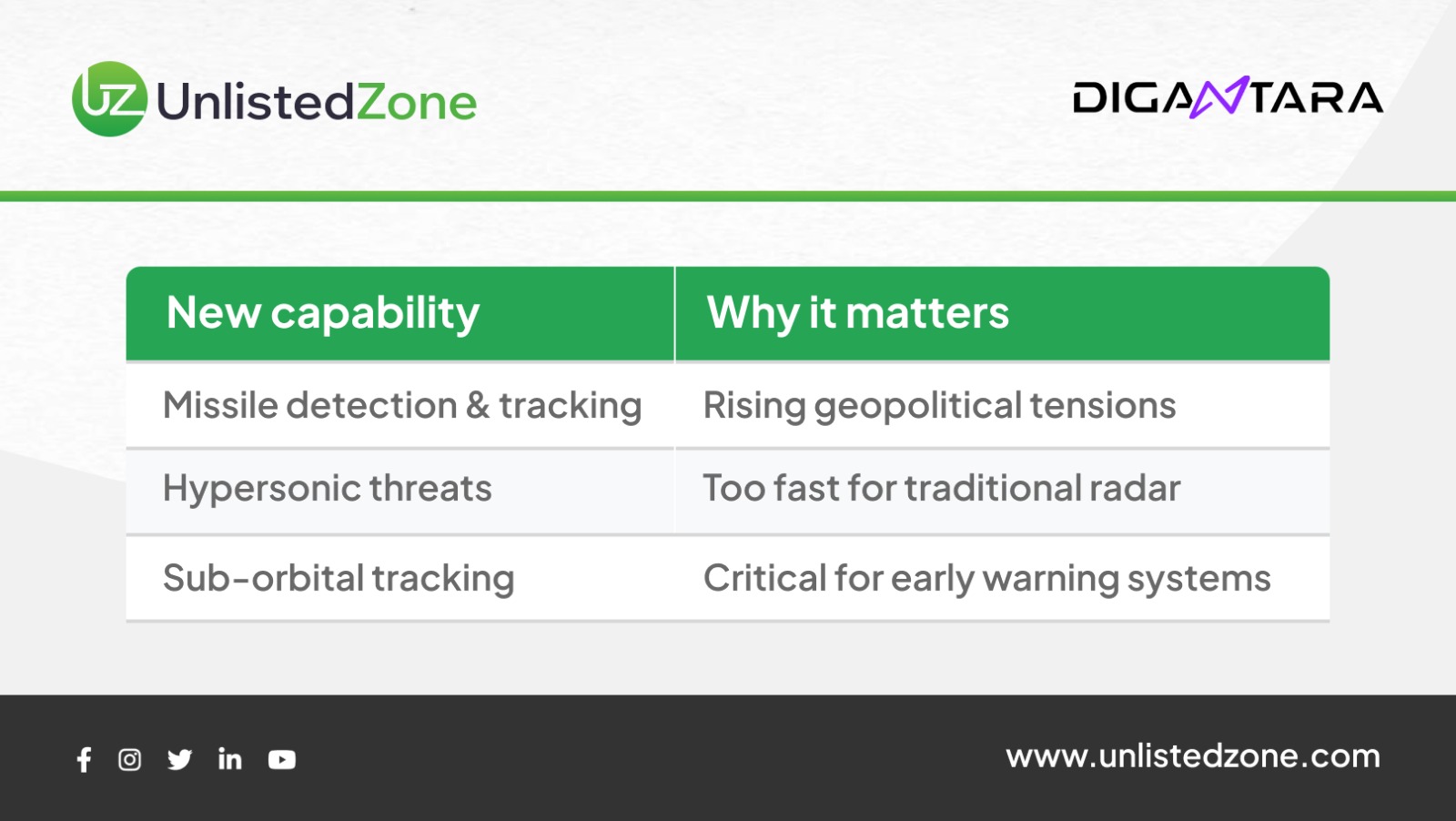
Same tech base. Much bigger market.
Why defence customers matter more
Here’s the uncomfortable truth about the global space economy:
-
Governments do most of the serious spending
-
Defence contracts are long-term and sticky
-
Winning them proves deep technical credibility
Today, Digantara works with six defence customers across:
Geography: India, United States, United Kingdom, Japan, Australia, and Singapore.
That credibility helped close the $50M Series B.
Where the $50M will go
This isn’t growth-for-growth’s-sake funding. It’s about execution.
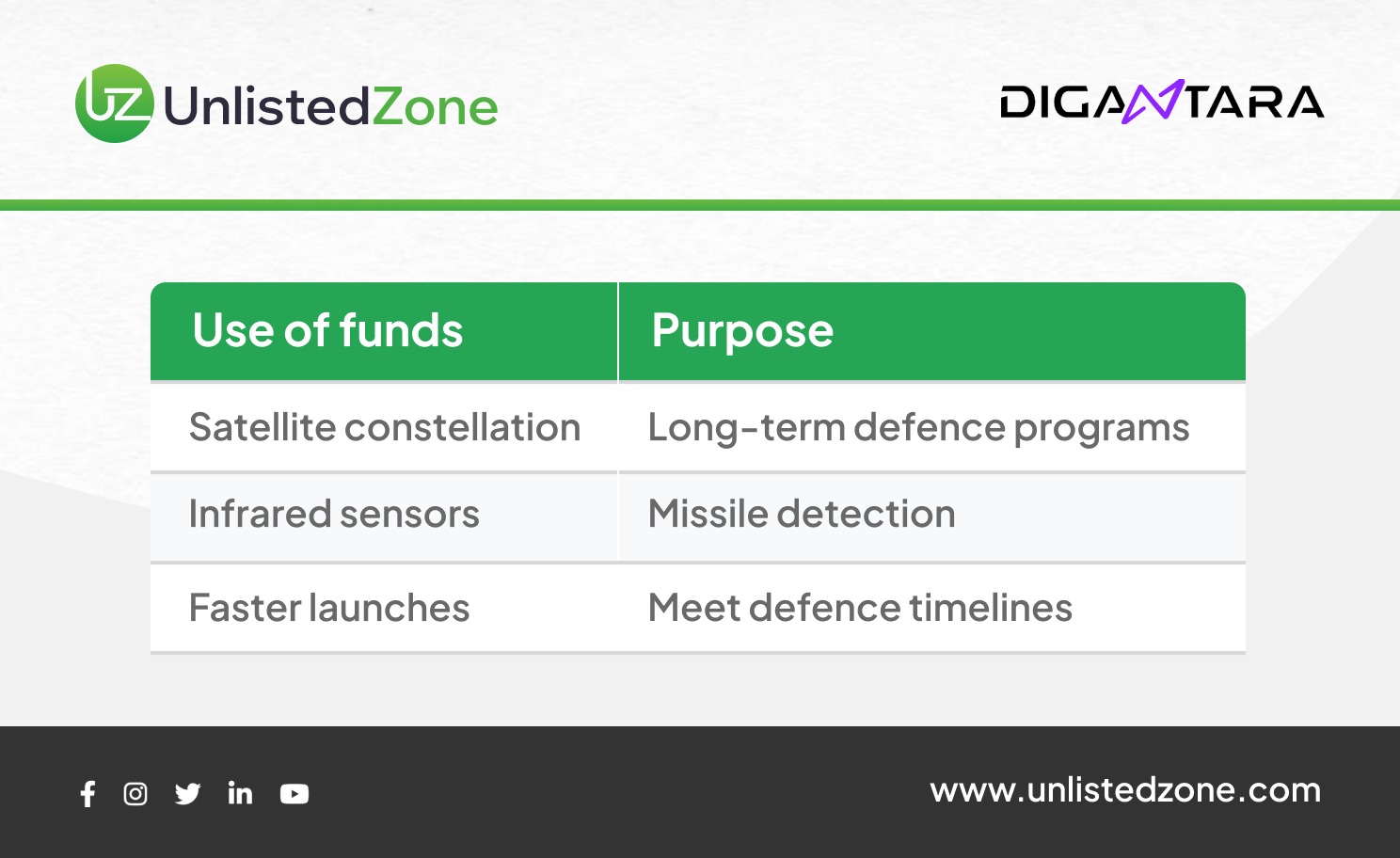
A big chunk is internal capex — expensive, but unavoidable in defence.
The US lesson: “Made in America”
One hard rule of defence:
👉 You can’t sell Indian-built hardware to US defence agencies.
So Digantara split its operations cleanly:

The US unit runs as a separate, citizen-only, classified entity.
Result? Faster approvals. Bigger contracts.
📡 What’s already live
Digantara isn’t just talking strategy — it’s executing:
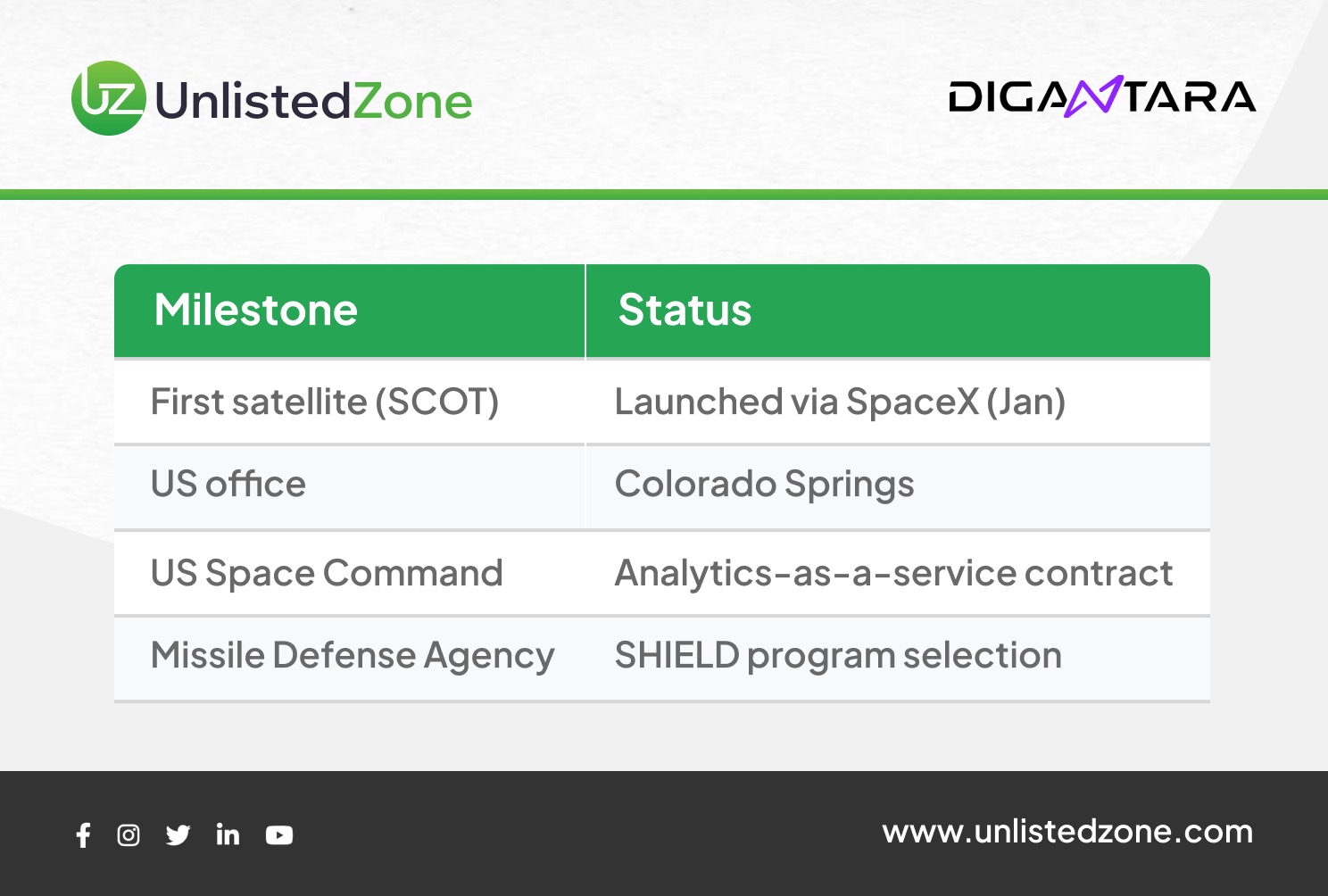
Next up: launches in March, June, and October, aiming for 15 satellites in two years.
🏭 Manufacturing muscle in India
Digantara currently operates:

Coming soon:
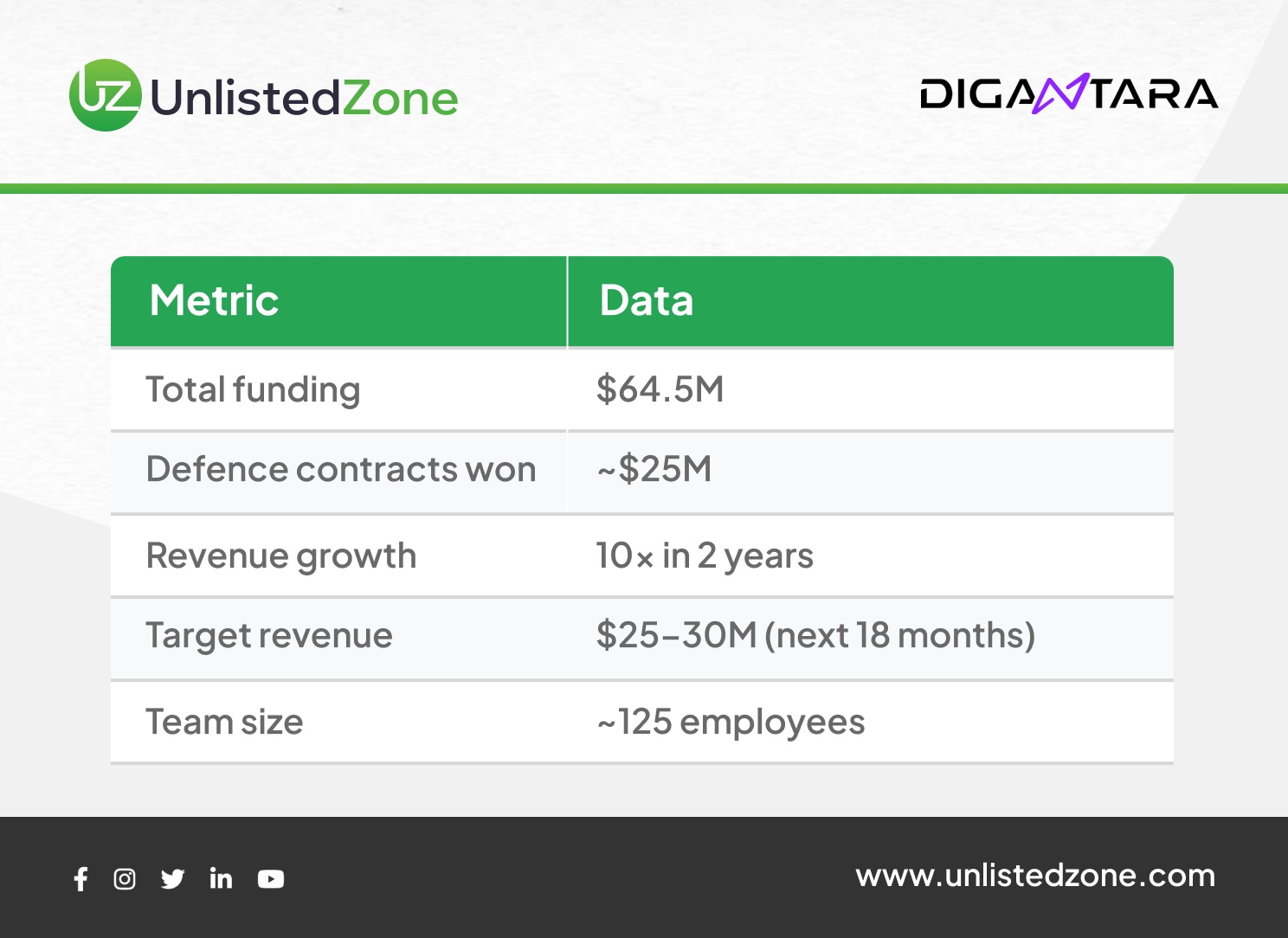
The money snapshot
The UnlistedZone takeaway
Space may look commercial on the outside. But defence is where the money is today.
Digantara’s journey shows a hard truth for space startups:
Commercial dreams come later. Survival comes first.
By turning space-surveillance tech into space-based missile defence, Digantara isn’t chasing hype — it’s locking into long-term, government-backed demand.
And in the space business, staying funded is the only way to stay in orbit.