Blogs, insights, guides and videos on India's unlisted market — all in one place.
Bharat Hotels runs some of India's most recognisable hotel addresses and earned ₹114 crore last year. Profit rose 25% — but EBITDA fell 17%, and the entire improvement came from cheaper debt rather than better operations. Meanwhile its flagship Delhi property faces a municipal claim roughly equal to the company's net worth. A look at what the FY26 annual report actually discloses, and what it doesn't.
Ticker Limited wants to be India's affordable Bloomberg. Over four years it raised roughly ₹237 crore from shareholders — and ended up earning less than it started with. Its core market data business shrank 26%, losses doubled,and its raw material spend halved. A look at what the annual reports actually show, and whether the product still has a market.
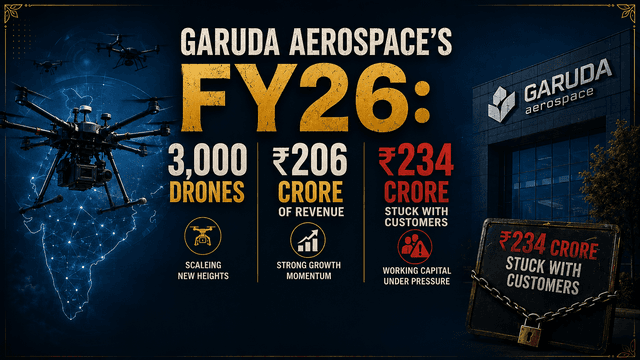
Garuda Aerospace's FY26 Annual report card comes in two halves. Revenue up 67%, profit up 41%, and a real move into defence. Then there's ₹234 crore stuck with customers, two straight years of negative operating cash flow, and ₹2.4 crore in the bank. At ₹438, the market is pricing only the first half.
In October 2025, investors valued Zepto at $7 billion. Nine months later, India's biggest mutual funds said $2.5–3 billion. Nothing had gone wrong in between — revenue had doubled. Here's what they saw in the FY26 numbers that the venture capitalists didn't.

The 120-year-old Bombay Store just crossed ₹100 crore in revenue, with profit up 18% and debt down sharply. But dig two years back and profit has barely moved. Here's what the FY26 annual report actually says — and what ₹470 a share implies.
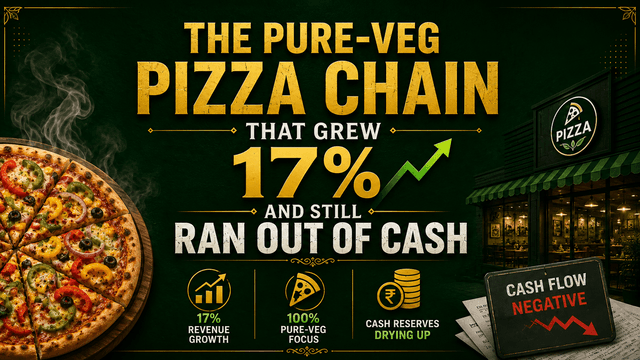
Cheelizza sold ₹22.65 crore of pizza in FY26 and grew 17%. It also ended the year with ₹9.54 lakh in the bank, a negative net worth, and twelve months of late loan payments. We read the annual report to find out who was actually paying the bills — and it wasn't the customers.
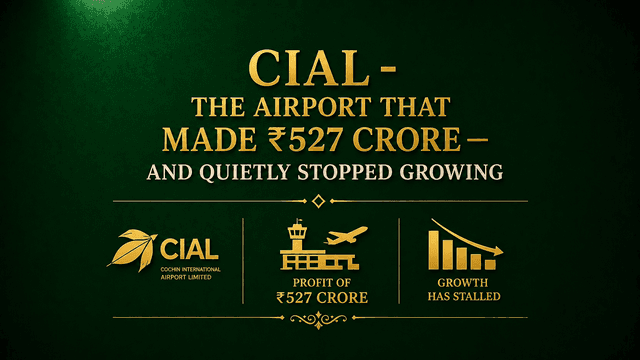
Cochin International Airport just reported its highest-ever profit — ₹527 crore at the group level, with a 55% dividend. But the growth came from a regulated tariff revision that expired on 31 March 2026, aircraft movements actually fell 3.9%, and passenger traffic grew at half the national rate. A look at how CIAL makes money, why the engine is sputtering, and what you're really paying for at 40x earnings.
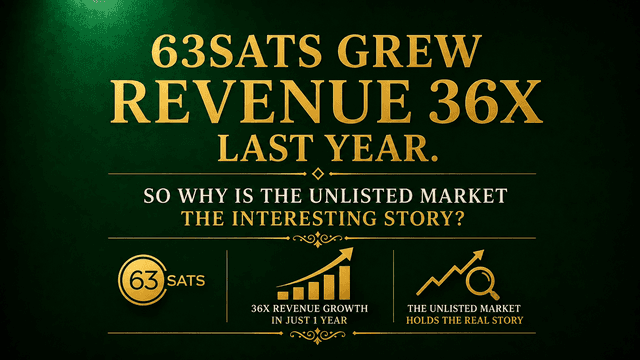
In September 2025, thirty-two institutional allottees paid ₹10 a share for 63SATS Cybertech. Ten months later the unlisted market quotes ₹24 to ₹28. The company's own FY26 annual report explains what the business actually does, where ₹28 crore of marketing money went, and what book value per share really is.
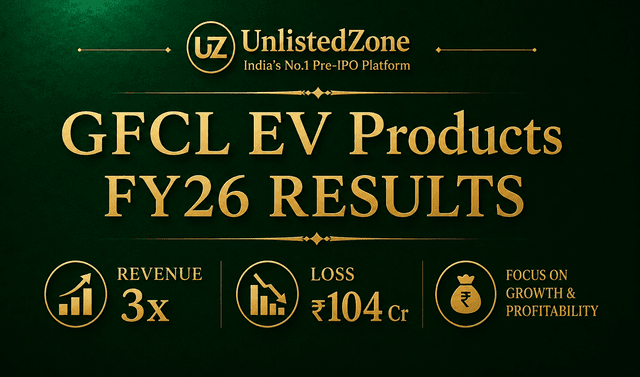
Almost every chemical inside a lithium-ion battery comes from China. GFCL EV Products spent FY26 trying to change that.
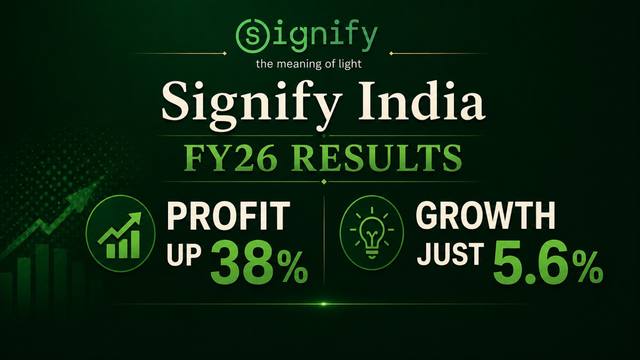
Signify India's profit rose 38% — but ₹90.9 cr of it was one-time. Why the Philips lighting maker gave up its own factory, and what it cost.
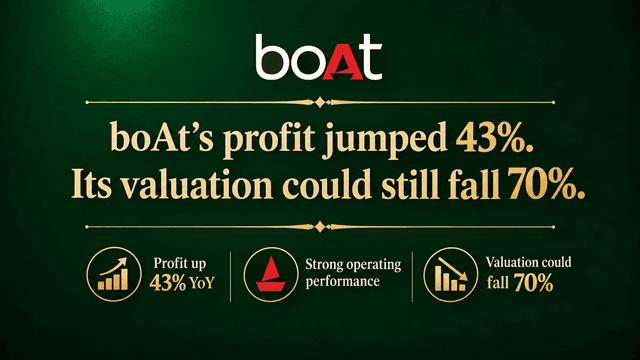
boAt sold less in FY26 and still made 43% more profit. Impressive — until you notice where the money came from: a slashed ad budget, a smartwatch retreat, and fewer warranty claims. Now run those earnings through the market's arithmetic ahead of the IPO, and a company once marked near ₹11,000 crore starts looking like a ₹3,000 crore one
Indicative prices, company research and your enquiries — in your pocket. Get price notes on the names you follow and reach our team from anywhere.