Blogs, insights, guides and videos on India's unlisted market — all in one place.


<p>Under the leadership of Bhupinder Singh, InCred Group is in advanced discussions to expand its presence in the financial services landscape. The company is actively pursuing a joint venture with an international partner to establish a general insurance business, as well as working on launching a mutual fund arm. With these ventures, InCred aims to create a diverse financial services platform encompassing lending, asset management, wealth management, and more.</p> <p><strong>Quantitative Approach to Mutual Funds </strong></p> <p>InCred’s mutual fund venture is set to be a unique, “quant-driven” offering, focused exclusively on quantitative methods and avoiding traditional, active management approaches. This approach reflects a commitment to leveraging data-driven investment strategies, which the company believes will appeal to investors looking for innovative solutions. Singh emphasized that this fund offering, which is expected to be introduced soon, is intended to provide an alternative to conventional fund management by prioritizing analytics over subjective decision-making.</p> <p><strong> Investing in a General Insurance Joint Venture</strong><br /> <br />InCred’s planned insurance venture will focus on the domestic market and will begin with substantial capital backing from Indian investors, with a target of at least ₹300 crore. InCred plans to retain a controlling interest in this general insurance business, aiming for over 51% ownership. This new entity will concentrate on key segments like health and motor insurance, aligning with growing demand in these areas. The partnership with a foreign entity is expected to bring valuable international expertise, enabling InCred to establish a strong foothold in the insurance sector.</p> <p><strong> About InCred </strong></p> <p><br />InCred Group is an emerging financial services company in India, committed to making financial products more accessible and customer-centric. Founded by Bhupinder Singh, InCred has steadily diversified from its initial lending operations into various segments, including wealth management and now mutual funds and insurance. With a mission to transform the financial landscape using data-driven methods and an emphasis on innovation, InCred is well-positioned to become a major player in the Indian financial services industry.</p>


<p><strong>AIOCD Raises Concerns Over Potential Instamart-PharmEasy Partnership for 10-Minute Medicine Delivery</strong></p> <p><br />The All India Organisation of Chemists and Druggists (AIOCD) has raised significant alarm over a proposed collaboration between Swiggy’s grocery delivery service, Instamart, and e-pharmacy leader PharmEasy. This partnership aims to facilitate medicine delivery within a 10-minute window using dark stores, a model commonly associated with rapid grocery delivery. In a formal communication to the Drugs Controller General of India (DCGI), AIOCD argued that this ultra-fast delivery approach may infringe upon Indian pharmaceutical regulations and endanger public health and safety.</p> <p><strong> Potential Regulatory and Safety Breaches </strong></p> <p>AIOCD leaders, President JS Shinde and General Secretary Rajiv Singhal, expressed apprehension that this quick-delivery model could undermine crucial regulatory checks designed to protect patients. They highlighted that medicine distribution in India adheres to stringent protocols, including verifying prescriptions and confirming patient identity, to safeguard public health. According to AIOCD, the accelerated delivery model may sidestep these essential procedures, putting patients at risk due to insufficient verification measures.</p> <p><strong> Concerns Over Prescription Standards and Patient Identification </strong></p> <p>A key point raised by AIOCD was the risk of compromised prescription verification and patient identification. In the letter, AIOCD emphasized that without adequate prescription checking, there is a heightened risk of inappropriate medication use, which can be harmful. "By ignoring necessary prescription checks and patient identification, this delivery model could severely impact citizen health and safety," AIOCD stated, reiterating the importance of established processes for secure medicine dispensing.</p> <p><strong> Implications for Antimicrobial Resistance (AMR) </strong></p> <p>AIOCD also voiced concerns about the potential impact of the Instamart-PharmEasy partnership on antimicrobial resistance (AMR), a critical issue in Indian healthcare. They argued that the "unregulated" delivery model of e-pharmacies like PharmEasy might contribute to the rising threat of AMR. This could happen through uncontrolled distribution of antibiotics without proper medical oversight, potentially counteracting government efforts to address this public health challenge.</p> <p><strong> Quality Risks with Rapid Delivery </strong></p> <p>Another serious issue highlighted by AIOCD was the potential compromise in medicine quality due to the speed-focused model. The association warned that delivering medicines within such a brief timeframe could increase the likelihood of expired or counterfeit drugs entering the supply chain, posing a grave risk to patients. "Ensuring quality control standards in an ultra-fast delivery model is challenging and could lead to harmful outcomes for patients," the association stated, emphasizing the need for strict quality checks to maintain safe medicine distribution.</p> <p><strong> Urging Regulatory Scrutiny and Advocacy for Traditional Pharmacies </strong></p> <p>In its appeal, AIOCD urged the Central Drugs Standard Control Organization (CDSCO) to closely scrutinize the proposed collaboration, stressing the importance of traditional pharmacies in the responsible dispensation of medicines. They affirmed their commitment to advocating for safe distribution practices and emphasized that they would continue to oppose any initiative that could potentially endanger public health.</p> <p>In conclusion, AIOCD has taken a firm stance against the rapid delivery model proposed by Instamart and PharmEasy, citing potential risks to both regulatory compliance and patient safety. The association has called on the authorities to carefully assess the partnership’s possible impacts on drug regulation, quality control, and the broader healthcare ecosystem in India.</p>

<p>The National Stock Exchange (NSE) has demonstrated significant financial growth during the first half of FY25. Below, we delve into the key highlights from this period's performance.</p> <p><strong>1. Impressive Revenue Growth</strong></p> <p>The NSE reported a remarkable 35% increase in its revenue from operations, climbing from ₹6,688 crore in H1FY24 to ₹9,000 crore in H1FY25. This robust growth can be attributed to increased trading volumes and heightened activity across various segments of the exchange.</p> <p><strong>2. Surge in Total Expenses</strong></p> <p>Despite the impressive revenue numbers, total expenses saw a substantial rise. In H1FY24, expenses before the contribution to the Core Settlement Guarantee Fund (SGF) stood at ₹1,665 crore. This figure surged by 60% to reach ₹2,672 crore in H1FY25. The significant increase was primarily due to a one-time payment of ₹642 crore made in September 2024 to settle a Trade Adjustment Program (TAP) case with the Securities and Exchange Board of India (SEBI). Such settlements, while impacting short-term expenses, are essential for maintaining the credibility and regulatory compliance of the exchange.</p> <p><strong>3. Contribution to Core SGF</strong></p> <p>A noteworthy change was seen in contributions to the Core SGF. While the NSE had contributed ₹610 crore during H1FY24, the contribution for H1FY25 was reduced to ₹160 crore. This reduction suggests that the current funding levels of the Core SGF are deemed sufficient by the NSE to meet SEBI regulations, ensuring stability in market operations.</p> <p><strong>4. Profit Surge Driven by Core Operations</strong></p> <p>Profit from core operations increased significantly, reflecting the underlying strength of the exchange. The profit figure rose from ₹3,893 crore in H1FY24 to ₹5,322 crore in H1FY25. This growth showcases the strong performance driven by NSE’s core operational activities, which continue to be a major revenue driver.</p> <p><strong>5. Strong Cash Flow Generation</strong></p> <p>Cash generation remains a crucial indicator of an entity’s operational health. For H1FY25, the total cash generated from operations was a solid ₹5,892 crore, indicating the NSE’s strong liquidity position and its ability to fund ongoing and future growth initiatives.</p> <p><strong>6. Projected EPS Growth</strong></p> <p>A key metric for investors, the Earnings Per Share (EPS), shows promising growth based on H1FY25 numbers. Post-bonus and annualized, the EPS is projected to be close to ₹40. This suggests a positive outlook for shareholders, reflecting strong returns and the potential for future dividends.</p> <p><strong>7. Anticipated Impact of SEBI's New F&O Regulations</strong></p> <p>The Securities and Exchange Board of India (SEBI) has introduced new regulations aimed at curbing speculative retail trading in the Futures and Options (F&O) segment. These measures, set to take effect in phases beginning November 20, 2024, include:</p> <ul> <li> <p><strong>Reduction of Weekly Expiries:</strong> SEBI will reduce the number of weekly expiries for index derivative contracts to one per benchmark index per exchange. This aims to curb speculative trading and limit the risks associated with uncovered or naked option selling.</p> </li> <li> <p><strong>Increased Contract Sizes:</strong> The minimum trading amount for derivatives will rise from the current range of ₹5–10 lakh to ₹15 lakh. This increase aims to ensure that investors take on appropriate risks while participating in the derivatives market.</p> </li> <li> <p><strong>Higher Margin Requirements:</strong> To address the high volatility observed on expiry days, SEBI will implement an additional extreme loss margin (ELM) of 2% for all open short options on the day of expiry. This measure is intended to protect investors from extreme market fluctuations, particularly during high-volume trading sessions.</p> </li> </ul> <p>These regulatory changes are expected to impact trading volumes in the F&O segment. Analysts suggest that the new measures could lead to a reduction of up to 40% in NSE’s options premium turnover, which has raised concerns among investors and traders alike.</p> <p><strong>Conclusion</strong></p> <p>The NSE's half-yearly performance for FY25 paints a picture of robust revenue growth coupled with significant one-time expenses. While the increase in costs, driven by compliance and settlement-related payments which are essential for an IPO, impacted overall expenditure, the growth in profit and strong cash flow generation underscore the exchange’s resilience and solid operational foundation. However, the forthcoming SEBI regulations on F&O trading are anticipated to influence trading volumes and revenue streams. Investors should monitor how the NSE adapts to these regulatory changes in the second half of FY25, as sustained growth could further strengthen its financial footing and boost shareholder value.</p> <p><img src="https://unlistedzone.com/storage/knowledge-logo/app_image-1730792358.png" alt="" width="70%" /></p>
<p>boAt, one of India’s leading consumer electronics brands, concluded FY24 with mixed financial results that highlight both the challenges and resilience within its business model. According to recent reports, the company saw a decrease in revenue and profit margins but also implemented strategic measures that contributed to operational improvements.</p> <h3>Key Financial Highlights:</h3> <ol> <li> <p><strong>Revenue and Income</strong>: For the fiscal year ending March 31, 2024, boAt reported total revenue from operations at ₹3103 Cr, down from ₹3258 Cr in FY23. </p> </li> <li> <p><strong>Net Loss Reduction</strong>: Despite a 5% decline in revenue, boAt successfully reduced its net losses by approximately 47%, from ₹100 Cr in FY23 to ₹53 Cr in FY24. This was a result of strategic cost management and focused operational efficiency.</p> </li> <li> <p><strong>EBITDA Performance</strong>: A significant achievement for boAt in FY24 was its transition to a positive EBITDA of ₹14.04 crore, compared to an EBITDA loss of ₹50.21 crore in the previous fiscal year. This shift indicates the company's efforts to streamline its operations, particularly in its core audio segment, which posted a 5% revenue increase.</p> </li> </ol> <h3>Challenges in the Wearables Market:</h3> <p>The wearable segment, which has been a crucial growth area for boAt, encountered severe margin pressures due to declining average selling prices and intensifying competition. The wearables market, which encompasses smartwatches and other devices, witnessed a 10% year-on-year decline in shipments. boAt's financial report highlighted a substantial reduction in the average selling prices of smartwatches, exacerbating these challenges.</p> <h3>Strategic Measures:</h3> <p>To combat these challenges and sustain profitability, boAt has been optimizing its warranty costs and curbing advertising and promotional expenditures. This approach helped the company mitigate losses while maintaining a strong foothold in the market. Additionally, as noted by Varun Gupta, Founder and CEO, boAt is strategically venturing into scaling up new product categories, which, while impacting short-term margins, is aimed at long-term growth.</p> <h3>Broader Industry Implications:</h3> <p>The company’s fiscal year-end results reflect a broader trend within India’s consumer electronics sector, especially in wearables. Market data suggests that, while audio products showed resilience, smartwatches and wearables experienced significant declines. This shift signals that consumer priorities and spending are evolving, impacting the profitability of key players like boAt.</p> <h3>Looking Forward:</h3> <p>Despite the challenges faced in FY24, boAt’s efforts to reduce net losses and achieve a positive EBITDA are commendable. The company’s strategic focus on operational efficiency and cost management may serve as a robust foundation for navigating the competitive landscape in future fiscal periods. The proactive measures implemented indicate a company adapting to market pressures and laying the groundwork for sustainable growth.</p> <p>As boAt continues to scale its product lines and optimize its cost structure, its performance in FY25 will be crucial to watch, particularly as it looks to strengthen its position in both audio and wearables markets.</p>
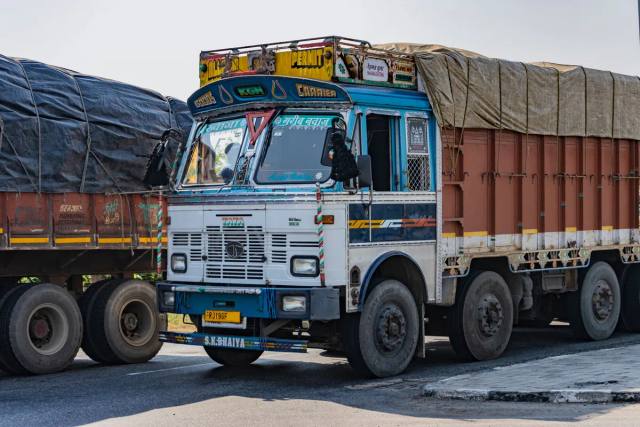
<p>Tata Capital, the financial services branch of Tata Group, is preparing to raise $500 million through an international dollar-denominated bond. With a BBB- credit rating anticipated from S&P Global Ratings, the bond issuance represents a key step in Tata Capital’s strategy to expand and diversify its funding sources, particularly through overseas markets. </p> <p><strong> Reaching Out to Global Investors </strong></p> <p>In an effort to attract a broad international investor base, Tata Capital is organizing meetings across major financial hubs in Singapore, Hong Kong, and London scheduled for mid-November. Top leaders, including CEO Rajiv Sabharwal, CFO Rakesh Bhatia, and Treasury Head Kiran Joshi, will be actively engaging with potential investors during this roadshow, underlining Tata Capital's commitment to transparency and strategic growth. Major financial institutions, such as Standard Chartered, HSBC, and BNP Paribas, have been enlisted to facilitate these investor interactions.</p> <p><strong> Shift Towards Dollar Bonds in Tight Domestic Credit Conditions </strong></p> <p>Non-Banking Financial Companies (NBFCs) in India, like Tata Capital, are increasingly tapping into dollar-denominated bonds amid constrained domestic credit availability. Tata Capital’s planned issuance follows recent successful international bond offerings by peers. For instance, Piramal Finance secured $150 million through a heavily subscribed bond issuance at a 7.078% yield, while Muthoot Finance raised an additional $100 million by expanding its 7.125% bond due in 2028. </p> <p><strong> Tata Capital’s Diverse Funding Profile </strong></p> <p>As of March 31, 2024, Tata Capital’s funding is distributed across a range of instruments, including 39% in Non-Convertible Debentures (NCDs), 42% in term loans, and 7% in external commercial borrowings. This upcoming bond issuance aims to broaden this profile further, enhancing Tata Capital’s flexibility and resilience in financing its ongoing growth.</p>
<h2 id="ember57" class="ember-view reader-text-block__heading-2">Q1. What is Green Steel?</h2> <p id="ember58" class="ember-view reader-text-block__paragraph"><strong>Ans:</strong> Green Steel refers to steel produced using low-emission energy sources instead of traditional fossil fuels like coal. One of the most promising methods to produce green steel is by using <strong>Green Hydrogen</strong>, which emits only water vapor when used as an energy source, drastically reducing the carbon footprint of steel production.</p> <h2 id="ember59" class="ember-view reader-text-block__heading-2">Q2. Why is There a Need for Green Steel?</h2> <p id="ember60" class="ember-view reader-text-block__paragraph"><strong>Ans:</strong> Steel manufacturing is one of the biggest contributors to global carbon emissions, producing about <strong>1.85 tonnes of CO₂ per tonne of steel</strong>. With increasing global focus on reducing emissions, there’s a push towards more sustainable production methods. Green steel can play a critical role in helping India meet its climate goals while also positioning itself as a global leader in sustainable manufacturing.</p> <h2 id="ember61" class="ember-view reader-text-block__heading-2">Q3. Why is the Government Planning to Offer Incentives for Green Steel?</h2> <p id="ember62" class="ember-view reader-text-block__paragraph"><strong>Ans:</strong> Producing green steel is expensive due to:</p> <ul> <li><strong>High Cost of Green Hydrogen:</strong> The production and distribution of green hydrogen require advanced technology, which is currently costly.<br /><br /></li> <li><strong>Need for New Infrastructure:</strong> Transitioning from traditional coal-based furnaces to hydrogen-based production involves significant infrastructure changes.</li> </ul> <p id="ember63" class="ember-view reader-text-block__paragraph"></p> <p id="ember64" class="ember-view reader-text-block__paragraph">To make green steel a reality, the government is planning to introduce a package of incentives, such as <strong>soft loans, subsidies, and viability gap funding</strong>. These incentives, once implemented, will help reduce costs for companies willing to adopt green steel technology, making the transition feasible.</p> <h2 id="ember65" class="ember-view reader-text-block__heading-2">Q4. How Will Green Steel Incentives Benefit the Green Hydrogen Supply Chain?</h2> <p id="ember66" class="ember-view reader-text-block__paragraph"><strong>Ans:</strong> A government-supported shift towards green steel would lead to an increase in demand for green hydrogen, which is a key component in sustainable steel production. This would directly benefit companies in the green hydrogen supply chain, including:</p> <ul> <li><strong>Green Hydrogen Producers:</strong> With higher demand, companies producing green hydrogen will experience growth, likely driving down production costs through economies of scale.<br /><br /></li> <li><strong>Hydrogen Infrastructure Companies:</strong> As more steel manufacturers adopt green hydrogen, there will be a greater need for hydrogen transport, storage, and distribution infrastructure, creating new business opportunities.<br /><br /></li> <li><strong>Technology Providers:</strong> Companies that provide electrolyzers and other hydrogen production equipment will see increased demand, leading to expansion and technological advancement in this sector.</li> </ul> <p id="ember67" class="ember-view reader-text-block__paragraph"></p> <h2 id="ember68" class="ember-view reader-text-block__heading-2">Q5. What is the Risk if India Doesn’t Transition to Green Steel?</h2> <p id="ember69" class="ember-view reader-text-block__paragraph"><strong>Ans:</strong> Failure to transition could have several consequences:</p> <ul> <li><strong>European Carbon Tariffs:</strong> Europe, a key export market for Indian steel, is implementing the <strong>Carbon Border Adjustment Mechanism (CBAM)</strong>, which imposes tariffs on high-emission imports. If Indian steel doesn’t meet EU’s green standards, it could face an additional tax of <strong>$65–$70 per tonne</strong>, making it less competitive.<br /><br /></li> <li><strong>Lost Market Share:</strong> If Indian steel becomes more expensive due to carbon tariffs, buyers may turn to greener alternatives from other countries, impacting India’s steel export revenues.<br /><br /></li> <li><strong>Environmental Impact:</strong> Continued reliance on coal for steel production will worsen India’s carbon emissions, challenging its climate commitments and increasing domestic pollution levels.</li> </ul> <p id="ember70" class="ember-view reader-text-block__paragraph"></p> <h2 id="ember71" class="ember-view reader-text-block__heading-2">Q6. What Steps is the Government Considering to Promote Green Steel?</h2> <p id="ember72" class="ember-view reader-text-block__paragraph"><strong>Ans:</strong> The government is in discussions to introduce several measures to encourage green steel production:</p> <ul> <li><strong>Incentive Packages:</strong> Considering financial support through <strong>soft loans, interest subsidies, and production-linked incentives</strong> to offset the high initial costs of green steel production.<br /><br /></li> <li><strong>Public Procurement Priority:</strong> Planning to prioritize green steel in government projects, ensuring a steady demand that makes the switch more attractive for manufacturers.<br /><br /></li> <li><strong>Setting Clear Timelines:</strong> Mandating timelines for the industry to transition to cleaner technology, creating a clear path for companies to adopt green hydrogen in their steel production processes.<br /><br /></li> <li><strong>Aligning with Global Standards:</strong> Defining green steel standards aligned with international carbon benchmarks, helping Indian steel remain competitive in the global market.</li> </ul> <p id="ember73" class="ember-view reader-text-block__paragraph"></p> <h2 id="ember74" class="ember-view reader-text-block__heading-2">Q7. How Much Investment is Needed for India’s Green Steel Transition?</h2> <p id="ember75" class="ember-view reader-text-block__paragraph"><strong>Ans:</strong> According to Moody’s, transitioning India’s steel industry to green production methods will require investments between <strong>$190–$215 billion</strong>. This amount will not only support the development of green hydrogen technology but also cover the infrastructure needed to integrate green hydrogen into steel production.</p> <hr class="reader-divider-block__horizontal-rule" /> <h2 id="ember76" class="ember-view reader-text-block__heading-2">Potential Beneficiaries in the Unlisted Space:</h2> <p id="ember77" class="ember-view reader-text-block__paragraph">Companies involved in the green hydrogen supply chain could see substantial growth if these incentives are implemented. <strong>Greenzo</strong> and <strong>Matrix Gas</strong>, operating in the unlisted space, are well-positioned to benefit from the increased demand for green hydrogen and related technologies as the shift towards green steel gains momentum.</p>
<p>Lava International Limited, a key player in India's smartphone industry, is taking significant steps to boost its manufacturing strength. In an exclusive interview with CNBC-TV18, Sanjeev Agarwal, Chief Manufacturing Officer, shared the company’s plans to scale up local production and reduce reliance on imports. This effort is further supported by the Indian government’s production-linked incentive (PLI) scheme, which Lava plans to leverage to localize its manufacturing processes.</p> <p><strong>Focus on In-House Manufacturing for Quality Control</strong></p> <p>Agarwal emphasized Lava's dedication to offering top-quality products and exceptional customer service. He explained that controlling the entire manufacturing process—from design to supply chain and production—enables the company to deliver this value. By owning each step, Lava ensures that its products meet the highest standards. </p> <p><strong>PLI Scheme and Localisation Efforts</strong></p> <p>The government's PLI scheme has further motivated Lava to deepen its commitment to local manufacturing. Lava has been working on localizing key components, including printed circuit board assembly (PCBA), and has been identifying parts that can be manufactured in-house. Agarwal noted that the company’s phased approach toward localization aims to strengthen the Indian electronics ecosystem while boosting internal capabilities.</p> <p><strong>Process Innovation and Ecosystem Development</strong></p> <p>Lava is continuously innovating its production processes to reduce inefficiencies, boost productivity, and embrace cost-effective automation. The company is also building partnerships within the local ecosystem to further enhance its localization strategy. As part of this effort, Lava is streamlining procurement processes to reduce lead times and optimize working capital, thus increasing overall operational efficiency.</p> <p><strong>Tackling Industry Challenges</strong></p> <p>The electronics manufacturing sector in India faces challenges, including the fast pace of technological advancement, the high cost of capital investment, and a shortage of skilled labor. According to Agarwal, Lava is addressing these hurdles by fully utilizing the PLI scheme and focusing on high-priority components that offer the most value. Lava is also committed to improving its local value addition and intellectual property by developing its own designs, helping the company stay competitive.</p> <p><strong>Growth Plans and Future Outlook</strong></p> <p>Agarwal expressed optimism about Lava’s future in electronics manufacturing. Over the next few years, the company aims to increase production by ₹500 crore annually, either through expanding its market share or by offering manufacturing support to other brands. Lava is positioning itself as a leader in quality, cost efficiency, and delivery. The focus on localizing critical components, Agarwal stated, will be central to Lava’s sustainable growth and the development of India’s electronics manufacturing ecosystem.</p> <p><strong>Opportunities in the Indian Electronics Space</strong></p> <p>Lava primarily serves the domestic market, but the company has plans to strengthen its global presence. By increasing local manufacturing and improving the value chain, Lava hopes to enhance its competitiveness in the international arena. Agarwal believes that the Indian electronics sector is ripe with opportunities for growth, particularly as the country pushes for greater self-reliance in manufacturing.</p> <p><strong>Commitment to Make in India</strong></p> <p>Lava is fully dedicated to supporting the "Make in India" initiative by working closely with the government and industry stakeholders to shape policies that promote local manufacturing. Agarwal reaffirmed Lava’s commitment to advancing India’s electronics sector and achieving excellence in all aspects of its production.</p>
<p>HDFC Bank has taken a significant step towards the public listing of its subsidiary, HDB Financial Services, with the board's approval of a Rs 12,500 crore initial public offering (IPO). The decision came during a board meeting on October 19, 2024. The move follows earlier announcements made by the bank in July and September of this year, outlining the intention to list the non-banking financial company (NBFC).</p> <p><strong>IPO Structure and Breakdown </strong></p> <p>The IPO will be structured to include both a fresh issue and an offer for sale (OFS). The fresh issue is expected to raise Rs 2,500 crore, while the OFS will see shares with a face value of Rs 10 being offered, contributing up to Rs 10,000 crore to the total size. The final amount under the OFS may be subject to revision as per regulatory guidelines. In total, the offering will raise Rs 12,500 crore, marking it as the largest IPO ever by an NBFC in India.</p> <p><strong>Comparison with Recent NBFC IPOs </strong></p> <p>This IPO stands out in the NBFC sector. Just last month, Bajaj Housing Finance launched an IPO raising Rs 6,560 crore. HDB Financial's offering, at nearly double the size, will set a new benchmark for such entities going public in India.</p> <p><strong>Regulatory and Market Considerations </strong></p> <p>While the bank has laid out the structure and size of the IPO, the offering is still subject to market conditions, regulatory approvals, and other procedural requirements. HDB Financial must also comply with the Reserve Bank of India's (RBI) scale-based regulations for NBFCs, which mandate the company to go public by September 2025. This regulation is crucial in determining the timeline for the IPO’s execution.</p> <p><strong>HDB to Remain HDFC Bank Subsidiary </strong></p> <p>Despite going public, HDB Financial Services will continue to operate under the umbrella of HDFC Bank as a subsidiary, ensuring alignment with regulatory standards. HDFC Bank has reassured investors and stakeholders that the listing will not alter HDB’s subsidiary status, which will remain intact post-IPO.</p>
<p>OYO, a leading name in the hospitality industry, has introduced a new business-to-business (B2B) solution aimed at addressing the corporate travel and event management needs of businesses across India. Announced by the company’s founder and CEO, Ritesh Agarwal, on the social media platform X, this initiative underscores OYO's commitment to enhancing the corporate travel experience for companies, offering specialized services for events such as summits, off-site meetings, and business conferences.</p> <p><strong>Customized Corporate Services Across 500+ Locations</strong></p> <p>Agarwal highlighted OYO’s extensive network of over 500 company-serviced accommodations across the country. These properties offer special corporate rates and include tailored services such as personalized meal plans, professional conference setups, and comprehensive event support. The goal is to provide seamless travel and event solutions for businesses of all sizes, ensuring convenience and comfort.</p> <p><strong>Industry Leaders Already Onboard</strong></p> <p>OYO’s B2B arm has already catered to several industry giants, including companies such as Tech Mahindra, JIO Platforms, Cult Fit Healthcare, Sun TV Network, V Mart Retail, Devyani International, Aditya Birla Health Insurance, India Infoline, and Reliance Group Support Services Private. The hospitality major aims to expand its client base across various sectors by offering tailored packages to meet the specific needs of corporate travelers and event organizers.</p> <p>OYO, a leading name in the hospitality industry, has introduced a new business-to-business (B2B) solution aimed at addressing the corporate travel and event management needs of businesses across India. Announced by the company’s founder and CEO, Ritesh Agarwal, on the social media platform X, this initiative underscores OYO's commitment to enhancing the corporate travel experience for companies, offering specialized services for events such as summits, off-site meetings, and business conferences.</p> <p><strong>Customized Corporate Services Across 500+ Locations</strong></p> <p>Agarwal highlighted OYO’s extensive network of over 500 company-serviced accommodations across the country. These properties offer special corporate rates and include tailored services such as personalized meal plans, professional conference setups, and comprehensive event support. The goal is to provide seamless travel and event solutions for businesses of all sizes, ensuring convenience and comfort.</p> <p><strong>Industry Leaders Already Onboard</strong></p> <p>OYO’s B2B arm has already catered to several industry giants, including companies such as Tech Mahindra, JIO Platforms, Cult Fit Healthcare, Sun TV Network, V Mart Retail, Devyani International, Aditya Birla Health Insurance, India Infoline, and Reliance Group Support Services Private. The hospitality major aims to expand its client base across various sectors by offering tailored packages to meet the specific needs of corporate travelers and event organizers.</p> <p><strong>Comprehensive Travel and Event Solutions</strong></p> <p>Oravel Travel Solutions, the entity behind OYO’s corporate travel services, provides end-to-end support for its corporate clients. The platform promises to streamline the entire process, from check-ins and conference arrangements to event logistics management. This service gives companies access to over 500 dedicated properties across India, offering corporate pricing and customized services, making OYO a one-stop solution for corporate travel and event planning.</p> <p><strong>OYO’s Global Expansion and Recent Acquisitions</strong></p> <p>This B2B development comes as OYO continues its aggressive global expansion strategy. In a major move last month, the company acquired G6 Hospitality, the US-based parent company of the Motel 6 and Studio 6 brands, for $525 million. This acquisition strengthens OYO’s presence in the North American market, adding to its portfolio of international assets.</p> <p><strong>Strengthening Leadership and Expanding Operations</strong></p> <p>In tandem with its growth, OYO has bolstered its leadership team. Sonal Sinha was recently appointed as Chief Operating Officer (COO) for international business, while Rachit Srivastava took over as COO of vacation homes in Europe. Additionally, Global COO Abhinav Sinha is set to transition into an advisory role by January 2025. Meanwhile, OYO’s subsidiary, Innov8, has announced plans to expand its managed office space business. Innov8 will be adding 4 million square feet of office space across India over the next three years, backed by an investment of INR 50 crore.</p> <p><strong>Financial Performance and Future Prospects</strong></p> <p>OYO has made significant strides financially, reporting its first profitable year in FY24. The company posted a profit of INR 229.5 crore, a sharp turnaround from the INR 1,286.5 crore loss recorded in FY23. In August 2024, OYO raised INR 1,457 crore in funding led by Singapore-based Patient Capital. The company is now in discussions to secure an additional $200 million in funding, which would value OYO between $4.5 to $5 billion. Furthermore, OYO is working on refinancing $450 million of its existing debt and aims to refile its IPO papers after completing the refinancing of its $660 million Term Loan B.</p> <p><strong>Conclusion</strong></p> <p>OYO’s latest B2B platform is set to revolutionize corporate travel and event management across India, with its extensive network of properties and tailored solutions. As the company continues to expand both domestically and globally, it remains focused on enhancing its offerings for corporate clients while maintaining its trajectory towards growth and profitability.</p> <p>Oravel Travel Solutions, the entity behind OYO’s corporate travel services, provides end-to-end support for its corporate clients. The platform promises to streamline the entire process, from check-ins and conference arrangements to event logistics management. This service gives companies access to over 500 dedicated properties across India, offering corporate pricing and customized services, making OYO a one-stop solution for corporate travel and event planning.</p> <p><strong>OYO’s Global Expansion and Recent Acquisitions</strong></p> <p>This B2B development comes as OYO continues its aggressive global expansion strategy. In a major move last month, the company acquired G6 Hospitality, the US-based parent company of the Motel 6 and Studio 6 brands, for $525 million. This acquisition strengthens OYO’s presence in the North American market, adding to its portfolio of international assets.</p> <p><strong>Strengthening Leadership and Expanding Operations</strong></p> <p>In tandem with its growth, OYO has bolstered its leadership team. Sonal Sinha was recently appointed as Chief Operating Officer (COO) for international business, while Rachit Srivastava took over as COO of vacation homes in Europe. Additionally, Global COO Abhinav Sinha is set to transition into an advisory role by January 2025. Meanwhile, OYO’s subsidiary, Innov8, has announced plans to expand its managed office space business. Innov8 will be adding 4 million square feet of office space across India over the next three years, backed by an investment of INR 50 crore.</p> <p><strong>Financial Performance and Future Prospects</strong></p> <p>OYO has made significant strides financially, reporting its first profitable year in FY24. The company posted a profit of INR 229.5 crore, a sharp turnaround from the INR 1,286.5 crore loss recorded in FY23. In August 2024, OYO raised INR 1,457 crore in funding led by Singapore-based Patient Capital. The company is now in discussions to secure an additional $200 million in funding, which would value OYO between $4.5 to $5 billion. Furthermore, OYO is working on refinancing $450 million of its existing debt and aims to refile its IPO papers after completing the refinancing of its $660 million Term Loan B.</p> <p><strong>Conclusion</strong></p> <p>OYO’s latest B2B platform is set to revolutionize corporate travel and event management across India, with its extensive network of properties and tailored solutions. As the company continues to expand both domestically and globally, it remains focused on enhancing its offerings for corporate clients while maintaining its trajectory towards growth and profitability.</p>

<p>HDFC Securities Limited has announced its FY24 result. As per result, im during FY24, it has posted strong financial performance in FY 2024, achieving impressive revenue growth and solidifying its position in the competitive financial services sector. The company has demonstrated robust profitability while efficiently managing its operational costs.</p> <p><strong>Below are the key financial highlights:</strong></p> <p><strong>1. Revenue Growth : </strong><br /> Total revenue from operations surged from ₹1,891.27 crore in FY 2023 to ₹2,660.12 crore in FY 2024, marking a growth of 40.7%. This significant increase underscores the company's ability to expand its market reach and capitalize on higher market activity, resulting in increased revenue from interest and commission-based services.</p> <p><strong>2. Gross Margins : </strong><br /> Gross margins improved in FY 2024, driven by higher fees and commission income, as well as gains in interest income. The company’s ability to manage its core operations effectively has resulted in improved overall profitability despite rising operational costs.</p> <p><strong>3. Total Expenses : </strong><br /> Other expenses rose to ₹1389 crore in FY 2024, up from ₹849 crore in FY 2023, reflecting a 63% increase. This was largely driven by higher operational, technology, and administrative costs as the company scaled its business. However, the overall expense increase was well-managed in comparison to revenue growth.</p> <p><strong>4. Operating Profit Margin (OPM) : </strong><br /> Operating profit margin (OPM) increased from 22.9% in FY 2023 to 26.3% in FY 2024, highlighting improved operational efficiency. The company successfully converted a greater portion of its revenues into operating profits, demonstrating tighter control over costs and increased business activity.</p> <p><strong>5. Finance Costs : </strong><br /> Finance costs jumped to ₹80.05 crore in FY 2024, up from ₹29.59 crore in FY 2023. This significant increase reflects higher borrowings or the cost of maintaining liquidity, which has been managed effectively given the increase in interest income and overall profit margins.</p> <p><strong>6. EBIT (Earnings Before Interest and Taxes) : </strong><br /> EBIT for FY 2024 amounted to ₹701.43 crore, compared to ₹1,040.19 crore in FY 2023, showing a decline due to the sharp rise in finance costs and other operating expenses. Despite this, the company maintained strong profitability from its core operations.</p> <p><strong>7. Profit Before Tax (PBT) : </strong><br /> PBT stood at ₹701.43 crore in FY 2024, down from ₹1,040.19 crore in FY 2023. Although there was a decline, this reflects the company's steady operational performance amidst higher finance costs and investments in growth areas.</p> <p><strong>8. Profit After Tax (PAT) : </strong><br /> Profit after tax (PAT) for FY 2024 was ₹378.89 crore, down from ₹772.22 crore in FY 2023. The reduction in PAT is primarily due to higher finance costs and increased employee benefit expenses. Despite this, the company remained profitable and focused on sustainable growth.</p> <p><strong>9. Net Profit Margin (NPM) : </strong><br /> Net profit margin decreased from 40.8% in FY 2023 to 23.2% in FY 2024. The lower NPM reflects the impact of rising costs, but the company continues to maintain healthy margins due to strong revenue generation from core financial services.</p> <p><strong>10. Earnings Per Share : </strong><br /> Basic EPS was ₹597.42 in FY 2024, a significant rise from ₹489.84 in FY 2023. The decline in EPS is aligned with the lower PAT, yet it still reflects strong shareholder returns.</p> <p><br /><strong> Cash flow Analysis </strong></p> <p><br /><strong> 1. Operating Activities :</strong><br />Net cash flow used in operating activities:</p> <p>- 2024: ₹(27,469.7) crores<br />- 2023: ₹369.65 crores<br />- A substantial cash outflow in 2024 indicates operational challenges.</p> <p><strong> Major adjustments :</strong><br />- Decrease in loans: ₹3,277.67 crores.<br />- Increase in trade payables: ₹1,192.62 crores.<br />- Increase in trade receivables: ₹893.60 crores.</p> <p><strong> 2. Investing Activities :</strong><br />Net cash flow from investing activities:<br />- 2024: ₹207.04 crores (inflow)<br />- 2023: ₹(973.39) crores (outflow)</p> <p><strong>The positive inflow in 2024 comes mainly from:</strong><br />- Proceeds from the sale of investments: ₹242.95 crores.<br />- Sale of property, plant, and equipment: ₹74.28 crores.</p> <p><strong> 3. Financing Activities :</strong><br />Net cash flow from financing activities:<br />- 2024: ₹2,945.94 crores (inflow)<br />- 2023: ₹(322.06) crores (outflow)<br /><br /><strong>The sharp increase is due to:</strong><br />- Proceeds from the issuance of debt securities: ₹32,478.41 crores in 2024, compared to ₹19,350.95 crores in 2023. <br />- Redemption of debt securities: ₹28,200 crores in 2024.<br />- The company had notable interest payments of ₹590.78 crores and dividend payments of ₹812.46 crores in 2024.</p> <p> <strong>4. Net Increase in Cash and Cash Equivalents :Net increase in cash and cash equivalents: </strong><br />- 2024: ₹406.01 crores<br />- 2023: ₹(925.81) crores<br /> - Cash and cash equivalents at the end of 2024 increased to ₹798.11 crores, compared to ₹392.10 crores in 2023.</p> <p> The company saw a significant operating cash outflow in 2024, but managed to offset this with strong inflows from investing and financing activities. The reliance on debt issuance played a major role in improving cash reserves, despite the heavy operational outflows.</p> <p><strong>Market Focus </strong><br />HDFC Securities continues to expand its market share by enhancing its product offerings and growing its client base. The company is focused on strengthening relationships with retail investors, high-net-worth individuals, and institutional clients. With a comprehensive suite of financial services, including trading, brokerage, and investment advisory, the company is well-positioned to capitalize on growing market demand.</p> <p><br /><strong> Digital Initiatives and Technological Upgrades </strong></p> <p>The company has placed significant emphasis on enhancing its digital platform, enabling seamless customer experiences. HDFC Securities continues to invest in its technology infrastructure, ensuring robust trading platforms, mobile applications, and AI-driven advisory tools. This digital transformation is a key driver of its future growth strategy, catering to the increasing demand for tech-enabled financial services.</p> <p><br />HDFC Securities has delivered a commendable financial performance in FY 2024. Despite challenges such as rising finance costs, the company continues to show strong revenue growth and operational efficiency. By focusing on its core strengths—digital innovation, customer engagement, and a comprehensive range of financial services—HDFC Securities is poised for sustained growth in the coming years.</p>
Indicative prices, company research and your enquiries — in your pocket. Get price notes on the names you follow and reach our team from anywhere.